Mimicry

Definition and stakes

James P. Porter,  The American Journal of Psychology (1910)

“ Let us consider the different kinds of imitation. Principal Morgan, that peerless thinker in the problems of Animal Behavior, has proposed the following:
(1) Mimicry, which lies below the level of imitation and which (the present writer would add) is determined by forces wholly outside the individual. Mimicry is determined for the individual in the previous history, or, let us say, experience of the species, either through environmental or organic conditions.
”
Source: Wikisource

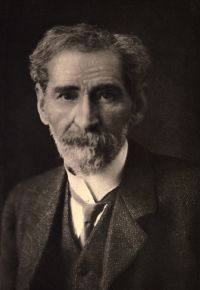
Portrait of Edward Clodd Edward Clodd,  Myths and Dreams

“ Still more complete in the mimicry is the reflection of the body in water or mirror, the image repeating every gesture and adopting every colour, whilst in the echoes which forest and hillside fling back, the savage hears confirmation of his belief in the other self, as well as in the nearness of the spirits of the dead. ”
Source: Gutenberg

An outline of humor (1923)

“ Since we have reason to believe that man mimicked before he could talk,—and, observing a baby, we have no difficulty in believing this,—we readily believe that his earliest mimicries aroused a feeling of amusement in his auditors, and as their applause stimulated him to fresh effort, the ball was set rolling and the fun began.
From mimicry was born exaggeration and the horns and painted masks were grotesque and mirth-provoking.
”
Source: Gutenberg

Get perspective with Kwize: daily news enlightened by great literature