Trance

Definition and stakes

Herbert Mayo,  Popular Superstitions, and the Truths Contained Therein

“ But now a new feature, or one feebly manifested as yet in trance, but parallel to the influence of sympathy, displays itself. The person in trance-umbra is an absolute slave to the spoken, or even to the unexpressed “mental suggestions” of the operator. Sense, memory, judgment, give way at his word. The patient believes whatever he is told to believe,—that an apple is an orange,—that he himself is the Duke of Wellington,—that the operator standing before him is invisible to him,—and makes fruitless efforts to execute any voluntary movement the moment he is told he cannot. ”
Source: Gutenberg

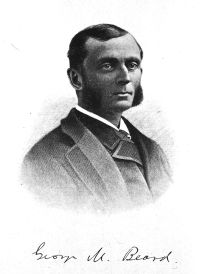
Portrait of George Miller Beard George Miller Beard,  Popular Science Monthly (1877)

“ It is estimated that about one in five or ten persons can be put into the mesmeric trance by the ordinary processes; and, under extraordinary circumstances, while under great excitement, and by different causes, every one is liable to be thrown into certain stages or forms of trance; the capacity for the trance-state is not exceptional; it is not the peculiar property of a few individuals—it belongs to the human race; similarly with the capacity for muscle-reading. ”
Source: Wikisource

Herbert Mayo,  Popular Superstitions, and the Truths Contained Therein

“ In the first imperfect trance-waking from initiatory trance, the patient’s apprehension of sensuous impressions177 often appears to have entirely deserted his own body, and to be in relation with the sentient apparatus in his mesmeriser’s frame—for, if you pull his hair, or put mustard in his mouth, he does not feel either; but he is actually alive to the sensations which these impressions excite, if the hair of the mesmeriser is pulled, or mustard placed on the mesmeriser’s tongue. ”
Source: Gutenberg

Get perspective with Kwize: daily news enlightened by great literature