Somnambulist

Definition and stakes

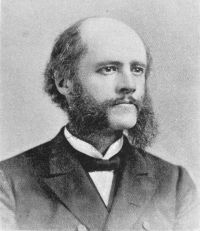
Joseph Haven,  Mental Philosophy: Including the Intellect…

“ How is it that the somnambulist rises and moves about in a state of apparently sound sleep? How is it that she performs actions requiring often a high degree of intelligence, and yet without apparent consciousness? How is it that she moves fearlessly and safely, as is often the case, over places where she could not stand for a moment, in her waking state, without the greatest danger? ”
Source: Gutenberg

Portrait of Havelock Ellis Havelock Ellis,  The World of Dreams

“ The somnambulist, in the wide sense of the word, is not necessarily a person who walks in his sleep, but any person in whom a group of co-ordinated muscles is sufficiently awake to respond more or less adequately to the motor impulse from the sleeping brain. To talk in sleep is a form of somnambulism. When the motor channels are thus unimpeded, there is usually no memory of a dream on awaking. The impulses that reach consciousness can be, as it were, quickly and easily drained off to the surface of the nervous system, and they tend to leave no deep impress on consciousness. ”
Source: Gutenberg

Various,  Harper's New Monthly Magazine, Vol…

“ The actions of the somnambulist are, doubtless, prompted and governed by those dream-impulses which the imaginary incidents passing through the sleeper's mind suggest. He is a dreamer able to act his dreams. This we learn from those exceptional cases in which the somnambulist, upon awaking, has remembered the details of his dream; in illustration of which we find an anecdote, related with much vivacity, by Brillat-Savarin, in the "Physiology of Taste." ”
Source: Gutenberg

Get perspective with Kwize: daily news enlightened by great literature