Summary

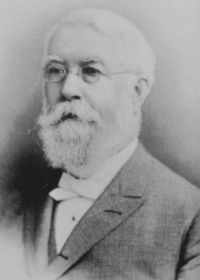
Portrait of Henry M. Lyman Henry M. Lyman Insomnia; and Other Disorders of Sleep

As the darkness of night, by shutting out the earth from sight, opens our eyes to the glory of the starry sky, so, in like manner, sleep, by closing the senses against the distractions of the external world, may sometimes [Pg 162] afford the conditions enabling a richly gifted intellect to comprehend the course and the destination of those deep and silent streams of thought which move on, unnoticed during the hours of wakeful life.
Source: Gutenberg

Portrait of Henry M. Lyman Henry M. Lyman Insomnia; and Other Disorders of Sleep

Were it an event of rare occurrence, it would excite a degree of astonishment and alarm equal to the agitation now experienced by the spectator of an ordinary attack of syncope or of epileptic convulsion. But, so completely does the recurrence of sleep harmonize with all the other facts of life that we are as indifferent to its nature as we are to every other healthy function of the body. It is only when the mind has undertaken a critical observation of the bodily and mental changes which accompany and condition the phenomenon that we begin to comprehend its wonderful character.
Source: Gutenberg

Portrait of Henry M. Lyman Henry M. Lyman Insomnia; and Other Disorders of Sleep

A dream may, therefore, be defined as the occupation of the field of consciousness during sleep by a succession of ideas more or less completely withdrawn from the guidance of the senses and from the control of the will. A great variety of dreams may thus be admitted, ranging all the way from those products of mere absence of mind which constitute revery, down to the faintest and feeblest stirrings of consciousness which have been always observed during the act of waking from the profoundest sleep.
Source: Gutenberg

Get perspective with Kwize: daily news enlightened by great literature