Somnambulism

Definition and stakes

Herbert Mayo Popular Superstitions, and the Truths Contained Therein

While other forms of trance have been either rejected as fictions, or converted to the use of superstition, somnambulism with all its wonders, being at once undeniable and familiar, has been simply taken for granted. While her sisters have been exalted into mystical phenomena, and play parts in history, somnambulism has had no temple raised to her, has had no fear-worship, at the highest has been promoted to figure in an opera. Of a quiet and homely nature, she has moved about the house, not like a visiting demon, but as a maid of all work.
Source: Gutenberg

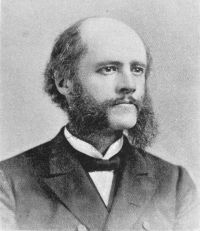
Portrait of F. W. H. Myers F. W. H. Myers Human Personality and Its Survival of Bodily Death

The somnambulism often starts as an exaggerated dream; it develops into a kind of secondary personality. The thoughts and impulses which the upheaval raises into manifestations—the psychical output—resemble sometimes the inspirations of genius, sometimes the follies of hysteria. And, finally, the spontaneous sleep-waking state itself is manifestly akin to hypnosis,—is sometimes actually interchangeable with the induced somnambulisms of the hypnotic trance.
Source: Gutenberg

Charles Robert Richet Popular Science Monthly (1880)

Let us now analyze the psychological phenomena of somnambulism. We all know what a dream is: when, tired with the labors of the day, we give up to sleep, our thoughts become confused and floating; the attention can no longer be held fixed upon any definite object; we gradually lose consciousness of the exterior world, and strange forms, the reality of which is in our conception only, impose themselves upon us.
Source: Wikisource

Get perspective with Kwize: daily news enlightened by great literature