Summary

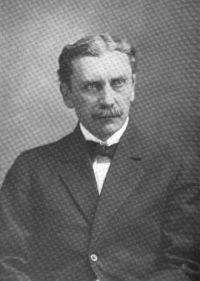
Portrait of James Mooney James Mooney The Ghost-dance religion and the Sioux outbreak of 1890

It is hardly possible for us to realize the tremendous and radical change which this doctrine works in the whole spirit of savage life. The career of every Indian has been the warpath. His proudest title has been that of warrior. His conversation by day and his dreams by night have been of bloody deeds upon the enemies of his tribe. His highest boast was in the number of his scalp trophies, and his chief delight at home was in the war dance and the scalp dance. The thirst for blood and massacre seemed inborn in every man, woman, and child of every tribe.
Source: Gutenberg

Portrait of James Mooney James Mooney The Ghost-dance religion and the Sioux outbreak of 1890

The lost paradise is the world’s dreamland of youth. What tribe or people has not had its golden age, before Pandora’s box was loosed, when women were nymphs and dryads and men were gods and heroes? And when the race lies crushed and groaning beneath an alien yoke, how natural is the dream of a redeemer, an Arthur, who shall return from exile or awake from some long sleep to drive out the usurper and win back for his people what they have lost.
Source: Gutenberg

Portrait of James Mooney James Mooney The Ghost-dance religion and the Sioux outbreak of 1890

When hundreds of Indians are thus camped together, the sound of the drum, the rattle, and the gaming song resound nightly through the air. To the stranger there is a fascination about such a camp at night, with the conical tipis scattered about under the trees, the firelight from within shining through the white canvas and distinctly outlining upon the cloth the figures of the occupants making merry inside with jest and story, while from half a dozen different directions comes the measured tap of the Indian drum or the weird chorus of the gaming songs.
Source: Gutenberg

Get perspective with Kwize: daily news enlightened by great literature