Sitting Bull

Definition and stakes

Helen Cody Wetmore,  Last of the Great Scouts: The Life Story of William F. Cody…

“ Sitting Bull was one of the ablest chiefs and fighters the Sioux nation ever produced. He got his name from the fact that once when he had shot a buffalo he sprang astride of it to skin it, and the wounded bull rose on its haunches with the Indian on its back. He combined native Indian cunning with the strategy and finesse needed to make a great general, and his ability as a leader was conceded alike by red and white man. A dangerous man at best, the wrongs his people had suffered roused all his Indian cruelty, vindictiveness, hatred, and thirst for revenge. ”
Source: Gutenberg

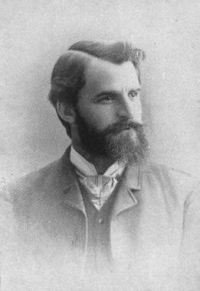
Portrait of Hamlin Garland Hamlin Garland,  The book of the American Indian (1923)

“ If you ask what defeated The Sitting Bull, I will answer, “The passing of the buffalo.” If you ask what caused him to surrender his body to the whites, I will say his tender heart. You hear officers boast of conquering Sitting Bull, but the one who brought him to the post was his daughter. The love of the parent for the child is strong in my race; it is terrible. Sitting Bull was a chief, stern and resolved, but he was a father also. ”
Source: Gutenberg

Edward L. Wheeler,  Deadwood Dick, the Prince of the Road…

“ I have been told that Sitting Bull made war only on warriors—not on women."
An ugly frown darkened the savage's face—a frown wherein was depicted a number of slumbering passions.
"The pale-face girl is the last survivor of a train that the warriors of Sitting Bull attacked in Red Canyon. Sitting Bull lost many warriors; yon pale squaw shot down full a half-score before she could be captured; she belongs to the warriors of Sitting Bull, and not to the great chief himself."
”
Source: Gutenberg

Get perspective with Kwize: daily news enlightened by great literature