Summary

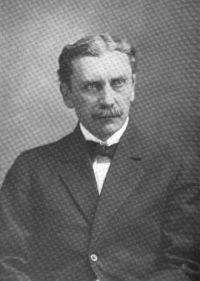
Portrait of James Mooney James Mooney Calendar history of the Kiowa Indians…

It was certainly a case of the pot calling the kettle black, as the principal business of both tribes for generations, until confined to a reservation, was that of raiding their southern neighbors in order to obtain horses and captives. It is unnecessary to dilate on the revolution made in the life of the Indian by the possession of the horse. Without it he was a half-starved skulker in the timber, creeping up on foot toward the unwary deer or building a brush corral with infinite labor to surround a herd of antelope, and seldom venturing more than a few days' journey from home.
Source: Gutenberg

Portrait of James Mooney James Mooney Calendar history of the Kiowa Indians…

The Sioux are direct and manly, the Cheyenne high-spirited and keenly sensitive, the Arapaho generous and accommodating, the Comanche practical and businesslike, but the Kiowa, with some honorable exceptions, are deficient in all these qualities. They have the savage virtue of bravery, as they have abundantly proven, but as a people they have less of honor, gratitude, and general reliability than perhaps any other tribe of the plains.
Source: Gutenberg

Portrait of James Mooney James Mooney Calendar history of the Kiowa Indians…

The Kiowa sun dance resembled that of the Dakota, Cheyenne, and other tribes in its general features—the search for the buffalo, the arrangement of the camp circle, the procession of the women to cut down the tree for the center pole of the medicine lodge, the sham battle for possession of the pole, the building of the medicine lodge, and the four days' dance without eating, drinking, or sleeping. It differed radically, however, in the entire absence of those voluntary self tortures which have made the sun dance among other tribes a synonym for savage horrors.
Source: Gutenberg

Get perspective with Kwize: daily news enlightened by great literature