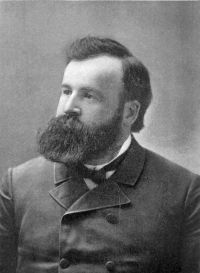
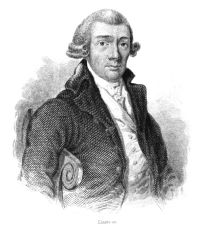
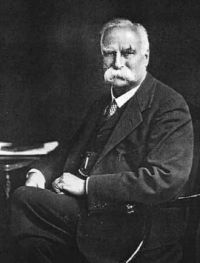
The cocoon, a silk-encased structure spun by insect larvae, acts as a protective chamber for metamorphosis, sheltering the pupal stage between the larval and adult phases. Authors like Jean-Henri Fabre explored its significance in insect biology, highlighting its adaptive design to environmental conditions, while Florence Earle Coates captured its symbolic meaning in poetry.
Writers such as W. Hamilton Gibson and Eva March Tappan described its complex formation, underscoring the caterpillar’s careful effort. The cocoon’s dual role—as both a biological requirement and a metaphor for change—emphasizes its importance in the life cycles of moths, butterflies, and other holometabolous insects.
 Florence Earle Coates,
Lyrics of Life — With Breath of Spring
(1909)
Florence Earle Coates,
Lyrics of Life — With Breath of Spring
(1909)