Summary

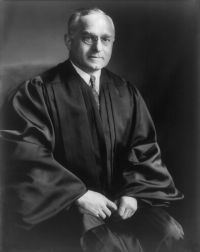
Portrait of Felix Frankfurter Felix Frankfurter Adamson v. California — Concurring Opinion

A man who has done one wrong may prove his innocence on a totally different charge. To deny that the jury can be trusted to make such discrimination is to show little confidence in the jury system. The prosecution is frequently compelled to rely on the testimony of shady characters whose credibility is bound to be the chief target of the defense. It is a common practice in criminal trials to draw out of a vulnerable witness' mouth his vulnerability, and then convince the jury that, nevertheless, he is telling the truth in this particular case.
Source: Wikisource

Portrait of Felix Frankfurter Felix Frankfurter Adamson v. California — Concurring Opinion

If the basis of selection is merely that those provisions of the first eight Amendments are incorporated which commend themselves to individual justices as indispensable to the dignity and happiness of a free man, we are thrown back to a merely subjective test. The protection against unreasonable search and seizure might have primacy for one judge, while trial by a jury of twelve for every claim above twenty dollars might appear to another as an ultimate need in a free society.
Source: Wikisource

Portrait of Felix Frankfurter Felix Frankfurter Adamson v. California — Concurring Opinion

Sensible and just-minded men, in important affairs of life, deem it significant that a man remains silent when confronted with serious and responsible evidence against himself which it is within his power to contradict. The notion that to allow jurors to do that which sensible and right-minded men do every day violates the "immutable principles of justice" as conceived by a civilized society is to trivialize the importance of "due process."
Source: Wikisource

Get perspective with Kwize: daily news enlightened by great literature