Summary

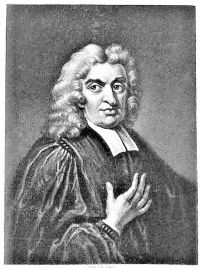
Portrait of Francis Blomefield Francis Blomefield History of Norfolk — Chapter 13

In 1307, King Edward departed this life, a prince of great renown, to whose heroick mind, God gave a body answerable in beauty and goodly presence, so that for his virtue, wisdom, and valour, by due desert, he was reputed a fit King for, and a chief honour to, his kingdom; a King to whom this city in a particular manner is obliged, both for the ample liberties that he first gave them, and for that peace and concord that he restored, by settling all their old discords, by which means, great increase, and much prosperity, immediately followed in this place.
Source: Wikisource

Portrait of Francis Blomefield Francis Blomefield History of Norfolk — Chapter 13

It appears at this time, that the bailiffs paid the fee farm rent of the city, so that oftentimes it was an office of expense, when the rents and tolls did not answer well, for which reason there was a law made, that for the future no man should be compelled to serve the office above once in four years, and that nobody should merchandise above a year and a day in the city without being compelled to take up his freedom, for which he was to pay a fine of 40s.
Source: Wikisource

Portrait of Francis Blomefield Francis Blomefield History of Norfolk — Chapter 13

In 1281, the King seized the liberties, because the bailiffs were not at the Exchequer at the appointed time, to answer the city debts, and pay their fee-farm, but upon their appearance and payment, they had restitution of them.
At Christmas there was such a frost and snow, as no man living could remember the like, by which the bridges received much damage; it continued till Candlemas so very extreme that the birds died in the woods through cold and want of food.
Source: Wikisource

Get perspective with Kwize: daily news enlightened by great literature