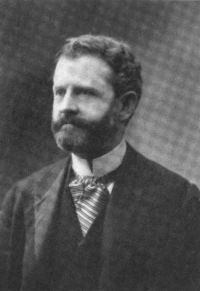
Francis Whiting Halsey

Francis Whiting Halsey

Summary

Portrait of Francis Whiting Halsey Francis Whiting Halsey The Old New York Frontier — Part 3… (1901)

They were merely placing themselves and their lands "under the protection of the King," and hoped thus to "shelter themselves from the French." Sixty years later, at a conference in Albany, the Indians declared that their fathers had made the Susquehanna conveyance by advice of the English as a way to secure self-protection and to prevent Penn and others from imposing on them. They had understood that they "might always have the land when we should want it."
Source: Wikisource

Portrait of Francis Whiting Halsey Francis Whiting Halsey The Old New York Frontier — Part 3… (1901)

In this year was held the Albany council at which Jonathan Edwards learned of the desire of the English to send missionaries into the valley. Johnson’s interest in these lands and Hawley’s coming to Oghwaga have close connection. That Johnson purchased the lands from the Indians is shown in a letter he addressed to “the King’s most excellent Majesty in Council,” in 1766, saying the Six Nations had given him "by deed a tract of land on the Susquehanna river within the said Province," for which he "had paid them a large sum of money."
Source: Wikisource

Portrait of Francis Whiting Halsey Francis Whiting Halsey The Old New York Frontier — Part 3… (1901)

When the Protestant missionaries took up their work, the upper Susquehanna had become familiar ground to many white men, a few of whom had secured titles to land. It is not surprising to find that the first men who became owners of land were traders, or men interested in the trade, or that they still more frequently were men whose official places enabled them to secure grants advantageously.
Source: Wikisource

Get perspective with Kwize: daily news enlightened by great literature