Summary

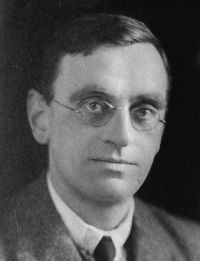
Portrait of H. C. Bailey H. C. Bailey The Pageant of England — I. The Coming of Cæsar (1908)

We cannot fight you man for man, You have too much iron on your bodies. You have too much in your souls. But we have fire, and iron yields to that at the last.”
“The fire dies, and the iron is left stronger. Rome has always known how to wait, King Caradoc.”
“Oh, you talk to me of Rome as I to the tribe of my magic. It is well for children, Cæsar. I am a man and a king. Talk of what is. See now! You can burn all our corn, but you cannot make us slaves. We cannot drive you out, but we can harry you all the while you stay. Come then! wise men do not fight to lose, and in this war no man wins.”
Source: Wikisource

Portrait of H. C. Bailey H. C. Bailey The Pageant of England — I. The Coming of Cæsar (1908)

Slaves of a thousand feuds, slaves of bloody gods, each tribe wastes its strength in petty war and sacrifice. King Caradoc, as I have gone through the world it seems to me that each people has its work. You have not found yours yet. But to Rome it belongs to teach you order and law. So then: swear to keep the Roman peace, let each tribe give me hostages for its word, and I spare you.
Source: Wikisource

Portrait of H. C. Bailey H. C. Bailey The Pageant of England — I. The Coming of Cæsar (1908)

There rose an amiable grunting, and into the grove rolled Oor, the brown bear. He sniffed the wind that blew past Caradoc, blinked and came to him, panting delight as a speechless baby totters to its mother. He lay on his back and scraped Caradoc's legs with his big paws, and wiped the honey from his whiskers on Caradoc's toes. Such joviality disturbed the grim meditations of the king, and he kicked Oor in the ribs, so that the beast coughed and sat upon his haunches and looked mild reproach. For a king should be amiable to the body in which lives the soul of his race.
Source: Wikisource

Get perspective with Kwize: daily news enlightened by great literature