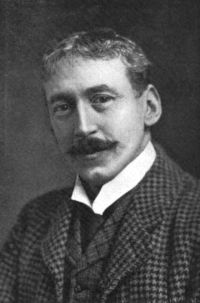
H. De Vere Stacpoole

H. De Vere Stacpoole

Summary

Portrait of H. De Vere Stacpoole H. De Vere Stacpoole The Yellow Mask (1914)

Then, to Jerningham: “Can you doubt it?”
“I can doubt that my wife should be such a fool, but I am almost beginning to believe it,” blazed Jerningham. Then, suddenly, as though some recollection had checked his anger, “Molly, Molly! what way is this for us to be going on, and we so happy but a week ago! Here is my will set against yours, and yours against mine, and war and enmity in our house, and all because of a woman who is no more to me than she is to you. Are you going to let that separate us?”
Source: Wikisource

Portrait of H. De Vere Stacpoole H. De Vere Stacpoole The Yellow Mask (1914)

He struck on it, and she answered him, and her cool, calm voice only served to make his anger worse.
Now, Jerningham’s temper was of that subtle sort which, becoming heated beyond a certain point, becomes ice—the ice in which is conserved all cold and bitter words and all hard deeds.
“Very well,” said he, “you have shut the door in my face, and that door shall never be opened between us again. Nor will I say good-bye to you, for you have passed out of my life.”
Source: Wikisource

Portrait of H. De Vere Stacpoole H. De Vere Stacpoole The Yellow Mask (1914)

THE Mirables was the finest mansion in the neighbourhood of Tunbridge Wells: and standing on the terrace this summer’s evening and gazing beyond the rose garden, beyond the sunk garden, beyond the ha-ha dividing the home paddock from the park, Francis Rupert Jerningham, owner of the Mirables and the four thousand acres of land surrounding it, could see his possession as a poet would have wished to see it—in the last light of a summer’s day.
Jerningham was a young man of thirty-five, one of those delightful and dangerous people who never grow up
Source: Wikisource

Get perspective with Kwize: daily news enlightened by great literature