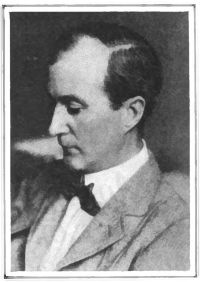
Harvey J. O'Higgins

Harvey J. O'Higgins

Summary

Portrait of Harvey J. O'Higgins Harvey J. O'Higgins Lucia Ancilotti (1912)

They came to the Settlement House, on certain allotted evenings, to meet as a club for various ostensible purposes of self-improvement, but really to dance for half an hour or so after the necessary pretenses of club work had been hurried through. And Lucia was a wild young dancer, instinctively graceful, with a passion for the abandon of musical movement that made her rather a scandal—especially to Miss Norris.
You know how young Americans dance, gravely, with an empty look in their eyes, as if all intelligence had gone down to direct their feet.
Source: Wikisource

Portrait of Harvey J. O'Higgins Harvey J. O'Higgins Lucia Ancilotti (1912)

Lucia danced, with her lips parted, in a high color, smiling excitedly. She was a handsome, dark, smoldering sort of child at her quietest. The excitement of the dance put her into a fever. Whenever poor Miss Norris reproved her for her indecorous exuberance—as Miss Norris might have called it—she had a maddening way of looking at the woman, stonily, with a large, silent stare.
Miss Norris was one of those volunteer workers who come to the Settlement House to help "uplift" the poor.
Source: Wikisource

Portrait of Harvey J. O'Higgins Harvey J. O'Higgins Lucia Ancilotti (1912)

These Italian girls rarely desert their families; even when they become street walkers, they bring back their wages to their parents. The boys sometimes become idle loafers and drunken "bums," but the girls always earn. When I moved from the district I lost track of Lucia, but I know she is slowly working out her "indecorous exuberance" at whatever task we, her masters, have set for her. She can hardly have much spirit left by this time; and if she dances at all, it will be with work-bowed shoulders, I imagine.
Miss Norris, I have lost track of, too.
Source: Wikisource

Get perspective with Kwize: daily news enlightened by great literature