Summary

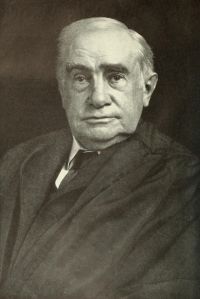
Portrait of Henry Billings Brown Henry Billings Brown Hoyt v. Latham — Opinion of the Court

As the question whether the sale should be vacated or not depends upon the facts as they existed at the time of the sale, so, in taking proceedings to avoid such sale, the plaintiff should act upon his information as to such facts, and not delay for the purpose of ascertaining whether he is likely to be benefited by a rise in the property, since that would practically amount to throwing upon the purchaser any losses he might sustain by a fall, and denying him the benefit of a possible rise.
Source: Wikisource

Portrait of Henry Billings Brown Henry Billings Brown Hoyt v. Latham — Opinion of the Court

In cases of actual fraud, or of want of knowledge of the facts, the law is very tolerant of delay; but where the circumstances of the case negative this idea, and the transaction is sought to be impeached only by reason of the confidential relations between the parries, and the cestuis que trustent have ample notice of the facts, they ought not to wait and make their action in setting aside the sale dependent upon the question whether it is likely to prove a profitable speculation.
Source: Wikisource

Portrait of Henry Billings Brown Henry Billings Brown Hoyt v. Latham — Opinion of the Court

So jealous is the law of dealings of this character by persons holding confidential relations to each other that the cestui que trust may avoid the transaction, even though the sale was without fraud, the property sold for its full value, and no actual injury to his interests be proven. It does not follow, however, that the sale is absolutely void in the sense that the purchaser takes no title which he can convey to a third person,-a bona fide purchaser without notice
Source: Wikisource

Get perspective with Kwize: daily news enlightened by great literature