Summary

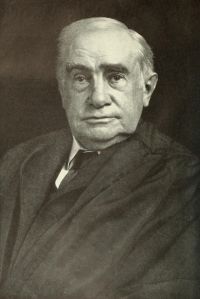
Portrait of Henry Billings Brown Henry Billings Brown The Caledonia/Dissent Brown — Dissent

Justice Sutherland observing: 'Plaintiff, as a common carrier, was responsible, at all events, for the final safety and delivery of the defendants' goods to them at Ithaca. Nothing could exonerate him from that responsibility but the act of God or a public enemy. But, in respect to the time of delivery, he was responsible only for the exertion of due diligence. In this respect common carriers stand upon the same ground with other bailees. They may excuse delay in the delivery of goods by accident or misfortune, although not inevitable, or produced by the act of God.
Source: Wikisource

Portrait of Henry Billings Brown Henry Billings Brown The Caledonia/Dissent Brown — Dissent

Not only do the general principles of law hold him liable simply for the exercise of diligence, but the bill of lading in this case expressly exonerates him for 'loss or damage from delays.' From reasons of public policy, and from the fact that the carrier and his servants are solely intrusted with the custody of goods carried, and the owner has no means of protecting himself against their embezzlement or negligence, the law has imposed upon the carrier the stringent liability of an insurer.
Source: Wikisource

Portrait of Henry Billings Brown Henry Billings Brown The Caledonia/Dissent Brown — Dissent

The person who sends goods is not entitled to call upon the carrier to go out of his accustomed course, or to use extraordinary means of conveyance; but the carrier must do that which is within his power, and which it is reasonable to expect that he should do, for delivering the goods.'
The case of Taylor v. Railway Co., L. R. 1 C. P. 385, was an action for damages sustained in consequence of a delay in the delivery of three hampers of poultry sent by the railway for the early London market.
Source: Wikisource

Get perspective with Kwize: daily news enlightened by great literature