Summary

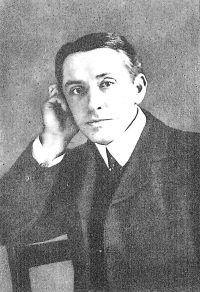
Portrait of J. S. Fletcher J. S. Fletcher Ravensdene Court — 3.The Morning Tide (1922)

Cazalette was one of those men to whom dinner is the event of the day, and who regard conversation—on their own part, at any rate—as a wicked disturbance of sacred rites. As the meal progressed (and Mr. Raven's cook proved to be an unusually clever and good one) I was astonished at Mr. Cazalette's gastronomic powers and at his love of mad dishes: indeed, I never saw a man eat so much, nor with such hearty appreciation of his food, nor in such a concentrated silence.
Source: Wikisource

Portrait of J. S. Fletcher J. S. Fletcher Ravensdene Court — 3.The Morning Tide (1922)

Cazalette. "Betwixt here—the sea-coast—and the Cheviots, westward, there's a good many spots that Goldsmith might have drawn upon for his deserted village. The folks go—the bit of a church falls into ruins—its graveyard gets choked with weeds—the stones are covered with moss and lichen—the monuments fall and are obscured by the grass—underneath the grass and the weed many an old family name lies hidden. And what'll that man be wanting to find any name at all for, I'd like to know!"
"The queer thing to me," observed Mr. Raven, "is that two men should be wanting to find it at the same time."
Source: Wikisource

Portrait of J. S. Fletcher J. S. Fletcher Ravensdene Court — 3.The Morning Tide (1922)

But most people, chancing upon anything mysterious try to explain it to their own satisfaction. I came to the conclusion that Mr. Cazalette, during his morning swim—no doubt in very shallow waters—had cut hand or foot against some sharp pebble or bit of rock, and had used his handkerchief as a bandage until the bleeding stopped. Yet—why thrust it away into the yew-hedge, close to the house?
Source: Wikisource

Get perspective with Kwize: daily news enlightened by great literature