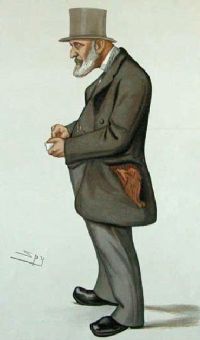
James Edwin Thorold Rogers

James Edwin Thorold Rogers

Summary

Portrait of James Edwin Thorold Rogers James Edwin Thorold Rogers The Story of Nations - Holland… (1886)

Twelve years after the Peace of Paris, the War of American Independence broke out. The Stadtholder of course wanted the States to take the side of the English, and thus repudiate the very principles to which they owed their own independence. But Holland had now accepted a hereditary sovereign, and hereditary sovereigns always constitute themselves the judges of a difference between their people and themselves. The Dutch had reversed that doctrine, and now a section of the English race was following their example. She could not therefore take the English side.
Source: Wikisource

Portrait of James Edwin Thorold Rogers James Edwin Thorold Rogers The Story of Nations - Holland… (1886)

In a short time the trade of Holland was nearly ruined by these pirates, and the elder Pitt, who wished to cripple France, and drag Holland into his war, encouraged the wrong-doers. Perhaps at no time in its history, were more outrageous injuries perpetrated on a neutral nation than those which the Dutch suffered from the English during the time of the elder Pitt's administration. These privateers' crews pillaged the ships of the Dutch companies who were trading to the Dutch colonies, on the plea that they, might be carrying French goods.
Source: Wikisource

Portrait of James Edwin Thorold Rogers James Edwin Thorold Rogers The Story of Nations - Holland… (1886)

In consequence, the English Government revived the old practice of piracy, under the name of privateering, made prize of Dutch ships sailing to French and Spanish ports, though no war had been declared with either country, and informed the Dutch Government, that if the States, in order to protect their own commerce, increased their naval force, they would treat the action as one of hostility.
Source: Wikisource

Get perspective with Kwize: daily news enlightened by great literature