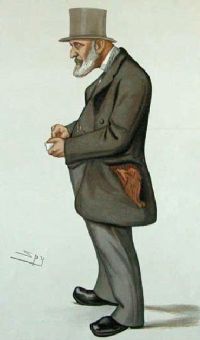
James Edwin Thorold Rogers

James Edwin Thorold Rogers

Summary

Portrait of James Edwin Thorold Rogers James Edwin Thorold Rogers The Story of Nations - Holland… (1886)

The country is essentially Dutch, and the dissatisfaction of the Dutch settlers with the English Government has led to secession, revolt, and war, under circumstances which has conferred no credit on the intrusive government, and have been no particular honour to English arms. And though in our time Holland cannot, even if she had her old spirit and resources, vie with the great military Powers of Europe, as she once did, her reputation is still high, and her energy is renewed.
Source: Wikisource

Portrait of James Edwin Thorold Rogers James Edwin Thorold Rogers The Story of Nations - Holland… (1886)

In 1789 the French constitution was remodelled, and, for a time, good and wise men rejoiced over the re-form of what had become the most detestable government in Europe. The Stadtholder's son contracted a fresh alliance with the house of Prussia; but Holland took no part in the League of Pilnitz, a league which was to prove so disastrous to the States which joined it, when they forced revolutionary France to act on the defensive, and finally justified its reprisals. The Stadtholder, of course, as soon as possible joined the alliance of the European sovereigns.
Source: Wikisource

Portrait of James Edwin Thorold Rogers James Edwin Thorold Rogers The Story of Nations - Holland… (1886)

The Stadtholder fled to England, and the Dutch revolution was effected.
It is very possible that many of those who formed and developed the French revolution were men of high purposes and patriotic ends. But France was bankrupt, its finance aggravated the mischief, and at first, constrained to defend itself, and then led to aggressive war, it naturally made war support itself. The Dutch paid dearly for the revenge which they took on William.
Source: Wikisource

Get perspective with Kwize: daily news enlightened by great literature