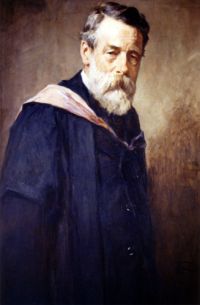
James Leigh Strachan-Davidson

James Leigh Strachan-Davidson

Summary

Portrait of James Leigh Strachan-Davidson James Leigh Strachan-Davidson Cicero And The Fall Of The Roman Republic… (1894)

There is no one of you but knows well, that the Roman people, which formerly had the reputation of being most placable towards its enemies, labours to-day under the curse of cruelty to its own children. Remove this cruelty from the State, gentlemen of the jury; suffer it no longer to work its pleasure in this Commonwealth. It is a vice which is mischievous, not only in that it has swept off so many of our fellow-citizens under every circumstance of horror, but likewise because by the daily spectacle of painful sights it has made the tenderest hearts callous to the sense of pity.
Source: Wikisource

Portrait of James Leigh Strachan-Davidson James Leigh Strachan-Davidson Cicero And The Fall Of The Roman Republic… (1894)

We cannot approve; but it cannot be helped. Jupiter reigns above; yet we have men injured, and cities ruined, and crops lost by hurricanes or floods or extremes of heat and cold. We do not attribute these mischiefs to the intention of the god, but to the force of circumstances and to the magnitude of the universe over which he has to preside, while we acknowledge his hand in the blessings we receive. And so it is with Sulla."
But if Cicero affects to screen Sulla under this contemptuous apology, he condescends to no half-measures when he deals with his favourite.
Source: Wikisource

Portrait of James Leigh Strachan-Davidson James Leigh Strachan-Davidson Cicero And The Fall Of The Roman Republic… (1894)

It is always with a throb of pleasure that he betakes himself to his mountain home. "Ad montes patrios, et ad incunabula nostra." In speaking of it he loves to borrow the language of the home-sick Ulysses as he sets his face toward Ithaca. "Rugged is she, but nurse of a worthy breed of sons; never can I see anything to glad my heart like that land." The little town still stands in the Volscian highlands, and over its gate the traveller may read an inscription which the burgesses have put up to commemorate their two great townsmen Marius and Cicero.
Source: Wikisource

Get perspective with Kwize: daily news enlightened by great literature