Summary

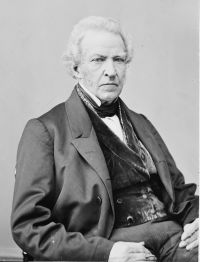
Portrait of James Moore Wayne James Moore Wayne Dobbins v. Erie County — Opinion of the Court

The case being now cleared of other objections, except such as relate to the unconstitutionality of the tax, we will consider the real and only question in it; that is, 'whether the plaintiff is liable to be rated and assessed for his office under the United States, for county rates and levies?' It is not necessary for the decision of this question, that the power of taxation in the states, and in the United States, under the constitution of the latter, should be minutely discussed. Taxation is a sacred right, essential to the existence of government-an incident of sovereignty.
Source: Wikisource

Portrait of James Moore Wayne James Moore Wayne Dobbins v. Erie County — Opinion of the Court

The first answer to be given to these suggestions, is, that the tax is to be levied upon a valuation of the income of the office. But besides, the obligation upon persons to pay taxes, is mistaken, and the sense in which a tax is a personal charge, is misunderstood. The foundation of the obligation to pay taxes is not the privileges enjoyed or the protection given to a citizen by government, though the payment of taxes gives a right to protection.
Source: Wikisource

Portrait of James Moore Wayne James Moore Wayne Dobbins v. Erie County — Opinion of the Court

It would destroy also all uniformity of compensation for the same service, as the taxes by the states would be different. To allow such a right of taxation to be in the states, would also, in effect, be to give the states a revenue out of the revenue of the United States, to which they are not constitutionally entitled, either directly or indirectly: neither by their own action, nor by that of congress. The revenue of the United States is intended by the constitution, to pay the debts, and provide for the common defence and general welfare of the United States
Source: Wikisource

Get perspective with Kwize: daily news enlightened by great literature