Summary

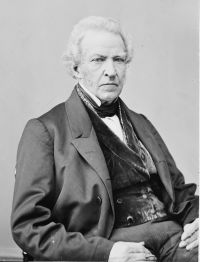
Portrait of James Moore Wayne James Moore Wayne Early v. Doe — Opinion of the Court

He may not do any thing of himself, and must do all as he is directed by the law under which he acts. He may not, by any misconstruction of it, anticipate the time for sale within which the owner of the property may prevent a sale of it, by paying the demand against him, and the expenses which may have been incurred from his not having done so before. This the law always presumes that the owner may do, until a sale has been made. He may arrest the uplifted hammer of the auctioneer when the cry for sale is made, if it be done before a bon a fide bid has been made.
Source: Wikisource

Portrait of James Moore Wayne James Moore Wayne Early v. Doe — Opinion of the Court

It is idle for the officer or collector of the corporation to be speculating and refining in this way. Why not give the legal notice? Where is the inconvenience in giving three or four days' more notice, or waiting a few days longer for the taxes?
They will not be lost by the avoidance of the sale. The corporation has the power to re-assess the taxes on the same property.
Source: Wikisource

Portrait of James Moore Wayne James Moore Wayne Early v. Doe — Opinion of the Court

The construction of the statute will be recognized to be in harmony with that policy of the law which experience has established to protect the ownerships of property from divestiture by statutory sales, where there has not been a substantial compliance with the law, by which a public officer is empowered to sell it.
Property is liable to be sold on account of an undischarged obligation of the owner of it to the public or to his creditors. But it can only be done in either case where there has been a substantial compliance with the prerequisites of the sale, as those are fixed by law.
Source: Wikisource

Get perspective with Kwize: daily news enlightened by great literature