Summary

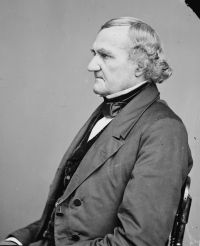
Portrait of John Catron John Catron Moore v. Brown — Dissent

But the agreement cuts off all power of inquiring as to what the true construction of the law is; it concludes the question, and forces us to hold that the auditor sold without authority, and that his deed is void on its face; whereas the deed recites, that the land had been sold 'in conformity with all the regulations of the several acts in such cases made and provided.' It refers to no one particular law, and is fair on its face; nor could any man, not learned in the law, suppose to the contrary.
Source: Wikisource

Portrait of John Catron John Catron Moore v. Brown — Dissent

And as the act of Illinois applies to actual residents, and to no others, it is entitled to a liberal construction. The one contended for is, that he who takes title by deed of record, or under one claiming by deed of record, made by a public officer with general power to sell for non-payment of taxes, is bound to know the law authorizing the officer to sell and convey; and if he fails to ascertain the law by negligence, he is held to knowledge that power was wanting, if such be the fact; that, purchasing with presumed knowledge, his title is taken in bad faith
Source: Wikisource

Portrait of John Catron John Catron Moore v. Brown — Dissent

And still worse policy would it be, to leave them open to speculating purchasers, buying up doubtful titles over their heads, under the act of 1845, which allows of such purchases in Illinois. Harassment and ruin inflicted on the unsuspecting many, by the well-informed and unscrupulous few, must be, as it ever has been, the consequence of stripping cultivators of the soil of their titles by unfavorable and strained constructions; and therefore acts of limitation have at all times been liberally construed to protect cultivators in homes where their families were, and had usually grown up.
Source: Wikisource

Get perspective with Kwize: daily news enlightened by great literature