Summary

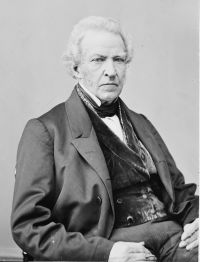
Portrait of James Moore Wayne James Moore Wayne Evans v. Gee (36 U.S. 80) — Opinion of the Court

As regards the right of a bon a fide holder of a bill to write over a blank indorsement, to whom the bill shall be paid, at any time before or after the institution of a suit against the indorser; it has long been the settled doctaine in the English and American courts; and the holder, by writing such direction over a blank indorsement, ordering the money to be paid to particular persons, does not become an indorser.
Source: Wikisource

Portrait of James Moore Wayne James Moore Wayne Evans v. Gee (36 U.S. 80) — Opinion of the Court

A refusal to accept is, then, a breach of the contract, upon the happening of which, a right of action instantly accrues to the payee, to recover from the drawer the value expressed in the bill, that being the consideration which the payee gave for it. Such is also the undertaking of an indorser, before the bill has been presented for acceptance, he being in fact a new drawer of the same bill, upon the terms expressed on the face of it. The case of an indorser is not distinguishable from that of a drawer in regard to such liability.
Source: Wikisource

Portrait of James Moore Wayne James Moore Wayne Evans v. Gee (36 U.S. 80) — Opinion of the Court

This is a case of an indorsee of one state, suing an indorser of a different state. If the evidence was intended to resist a recovery upon the merits, on account of the interest which another copartner or other person had in the consideration for which the bill was indorsed; we observe, the plaintiff being the bon a fide holder of it, such a fact could not be inquired into, in an action on the bill, as it would import a different bargain and agreement from the tenor of the bill and indorsement, when the bill was given or transferred
Source: Wikisource

Get perspective with Kwize: daily news enlightened by great literature