Indorsement

Definition and stakes

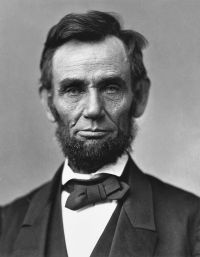
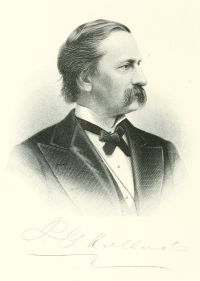
Portrait of Josiah Gilbert Holland Josiah Gilbert Holland The Life of Abraham Lincoln (Holland… (1866)

Plainly enough now: the speaking out then would have damaged the perfectly free argument upon which the election was to be carried. Why the out-going president's felicitation on the indorsement? Why the delay of a re-argument? Why the incoming president's advance exhortation in favor of the decision? These things look like the cautious patting and petting of a spirited horse preparatory to mounting him, when it is dreaded that he may give the rider a fall. And why the hasty after-indorsement of the decision by the president and others?
Source: Wikisource

Nathan Clifford Good v. Martin — Opinion of the Court

Considerable diversity of decision, it must be admitted, is found in the reported cases where the record presents the case of a blank indorsement by a third party, made before the instrument is indorsed by the payee and before it is delivered to take effect, the question being whether the party is to be deemed an original promisor, guarantor, or indorser.
Source: Wikisource

Chautauqua Institution The Chautauquan, Vol. 04, March 1884…

An indorser is one who writes his name on the back of a note or bill, either for the purpose of transfer, or of assuming liability thereon, and frequently for both.
We shall mention three kinds of indorsement. Special indorsement, indorsement in blank, and, as applicable to both, indorsement without assuming liability, or without recourse. And first, if John Ray, payee named in bill or note, delivers possession of the same to John Smith, at the same time writing on the back of it, “Pay to John Smith or order, John Ray,” he thereby transfers by special indorsement.
Source: Gutenberg

Get perspective with Kwize: daily news enlightened by great literature