Summary

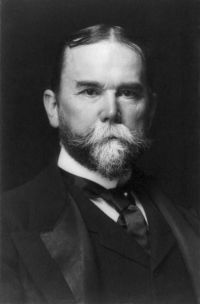
Portrait of John Hay John Hay Abraham Lincoln: a History — Volume 01

Since then we have had thirty-six years of experience; and this experience has demonstrated, I think, that there is no peaceful extinction of slavery in prospect for us. The signal failure of Henry Clay and other good and great men, in 1849, to effect anything in favor of gradual emancipation in Kentucky, together with a thousand other signs, extinguishes that hope utterly. On the question of liberty, as a principle, we are not what we have been. When we were the political slaves of King George, and wanted to be free, we called the maxim that "all men are created equal" a self-evident truth
Source: Gutenberg

Portrait of John Hay John Hay Abraham Lincoln: a History — Volume 01

If we would correctly understand how Lincoln became, first a conspicuous actor, and then a chosen leader, in a great strife of national parties for supremacy and power, we must briefly study the origin and development of the great slavery controversy in American legislation which found its highest activity and decisive culmination in the single decade from 1850 to 1860. But we should greatly err if we attributed the new events in Lincoln's career to the caprice of fortune.
Source: Gutenberg

Portrait of John Hay John Hay Abraham Lincoln: a History — Volume 01

Slavery is founded in the selfishness of man's nature—opposition to it, in his love of justice. These principles are an eternal antagonism; and when brought into collision so fiercely as slavery extension brings them, shocks and throes and convulsions must ceaselessly follow. Repeal the Missouri Compromise—repeal all compromise—repeal the Declaration of Independence—repeal all past history—still you cannot repeal human nature.
* * * * *
I particularly object to the new position which the avowed principle of this Nebraska law gives to slavery in the body politic.
Source: Gutenberg

Get perspective with Kwize: daily news enlightened by great literature