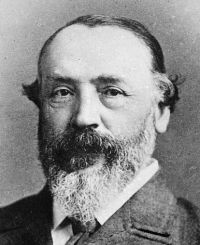
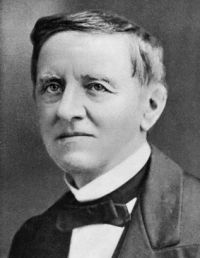
The term "candidate" refers to academic degrees historically conferred in Scandinavia, the Netherlands, Belgium, and the Soviet Union, spanning from undergraduate to research-level qualifications. Etymologically derived from the Latin candida ("white"), it initially denoted political aspirants in Ancient Rome. Scholars such as Carl Schurz and Charles Sumner examined its political implications, portraying candidacy as a responsibility toward public service.
In academic settings, its development is evident through the Bologna Process, which replaced conventional degrees with bachelor’s and master’s programs. The term thus connects scholarly accomplishment with political aspiration, illustrating both institutional transformation and the lasting value of civic involvement.