A clearing house is a financial institution that centralizes and standardizes transactions, minimizing risks in payments and trade settlements. Historically, it emerged in the 18th century to streamline bank operations, later extending to stock exchanges and commodities markets.
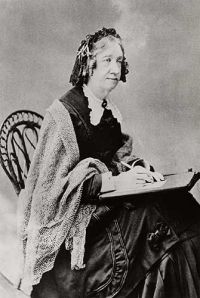
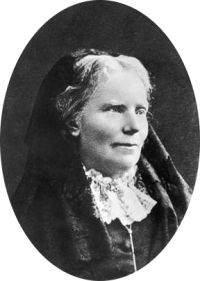
Authors like Robert Grimshaw envisioned national clearing systems as unifying mechanisms, while others, such as Harriet Beecher Stowe and Catharine Esther Beecher, metaphorically examined "clearing" in domestic contexts—describing structural frameworks for managing household logistics. These varied approaches highlight the concept’s adaptability, from financial risk reduction to organizational efficiency, underscoring its lasting relevance in both economic and literary discourse.