Summary

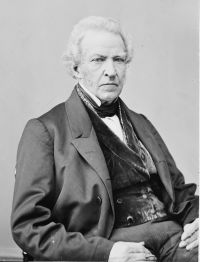
Portrait of James Moore Wayne James Moore Wayne Ex parte in the Matter of Wells…

The power as given is not to reprieve and pardon, but that the President shall have power to grant reprieves and pardons for offences against the United States, except in cases of impeachment. The difference between the real language and that used in the argument is material. The first conveys only the idea of an absolute power as to the purpose or object for which it is given. The real language of the constitution is general, that is, common to the class of pardons, or extending the power to pardon to all kinds of pardons known in the law as such, whatever may be their denomination.
Source: Wikisource

Portrait of James Moore Wayne James Moore Wayne Ex parte in the Matter of Wells…

In such cases, the President has acted exclusively under the power as it is expressed in the constitution.
This case raises the question, whether the President can constitutionally grant a conditional pardon to a convicted murderer, sentenced to be hung, offering to change that punishment to imprisonment for life; and if he does, and it be accepted by the convict, whether it is not binding upon him, to justify a court to refuse him a writ of habeas corpus, applied for upon the ground that the pardon is absolute, and the condition of it void.
Source: Wikisource

Get perspective with Kwize: daily news enlightened by great literature