Summary

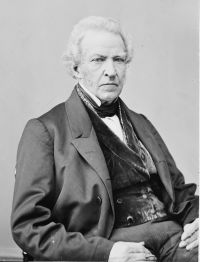
Portrait of James Moore Wayne James Moore Wayne Lawrence v. Tucker — Opinion of the Court

In conclusion, we think it may be safely affirmed, that upon no known principle of equity can the defendant be deprived of his legal and equitable lien upon the property mortgaged to him, until he is paid the full amount equitably covered by the mortgage, and due to him and to the other parties named in the deed. In other words, the complainant himself must do what is equitable, as the sole condition on which he can claim to redeem and obtain possession of the property discharged of the defendant's lien.
Source: Wikisource

Portrait of James Moore Wayne James Moore Wayne Lawrence v. Tucker — Opinion of the Court

Ducomb, 'there cannot be a more fair, bona fide, and valuable consideration than the drawing or endorsing of notes at a future period, for the benefit and at the request of the mortgagors; and nothing is more reasonable than the providing a sufficient indemnity beforehand.' Mr. Justice Story declared, in Leeds v. Cameron, 3 Sumner, 492, that nothing can be more clear, both upon principle and authority, than that at the common law a mortgage, bona fide made, may be for future advances by the mortgagee as well as for present debts and liabilities.
Source: Wikisource

Get perspective with Kwize: daily news enlightened by great literature