Summary

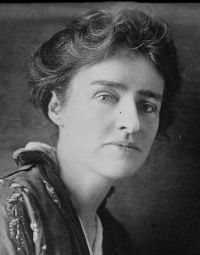
Portrait of Jean Webster Jean Webster The Four-Pools Mystery

In the evening when Mattison and I brought the news of the murder, Rad must have known instantly who was the real culprit. That was why he had kept silent; that was why he so vehemently insisted on Mose's innocence. I had found the light at last—though the darkness had been almost better.
What must I do? I asked myself. Was it my duty to search out Jefferson and convict him of this crime? No one could tell what provocation he may have had. Why not let matters take their course? There was nothing but circumstantial evidence against Radnor. Surely no jury would convict him on that.
Source: Gutenberg

Portrait of Jean Webster Jean Webster The Four-Pools Mystery

New York with the hurry and rush of its streets, with the horrors of Terry's morgue, seemed to lie in another continent.
But suddenly I was recalled to the present by hearing, almost beneath me, the low shuddering squeak of an opening window. I leaned out silently alert, and to my surprise I saw Cat-Eye Mose—though it was pretty dark I could not be mistaken in his long loping run—slink out from the shadow of the house and make across the open space of lawn toward the deserted negro cabins. As he ran he was bent almost double over a large black bundle which he carried in his arms.
Source: Gutenberg

Portrait of Jean Webster Jean Webster The Four-Pools Mystery

Rad was not the only one, however, who felt the Colonel's irritation over the robbery. His treatment of the servants was harsh and even cruel. Everybody on the place went about in a half-cowed fashion. He treated Mose like a dog. Why the fellow stood it, I don't know. The Colonel seemed never to have learned that the old slave days were over and that he no longer owned the negroes body and soul. His government of the plantation was in the manner of a despot. Everybody—from his own son to the merest pickaninny—was at the mercy of his caprice.
Source: Gutenberg

Get perspective with Kwize: daily news enlightened by great literature