Summary

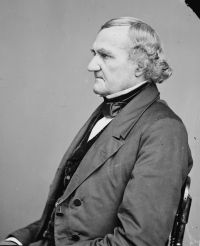
Portrait of John Catron John Catron Duncan v. Darst — Opinion of the Court

What state laws apply, and regulate the modes of proceeding in the courts of the United States, depends on a proper understanding of the acts of Congress, on the subject.
The first in order, is that of 1789, c. 21, s. 2; which declares, the forms of writs and executions, and the modes of process in suits at common law, shall be the same in each state respectively as are now used, or allowed in the Supreme Courts of the same.
Source: Wikisource

Portrait of John Catron John Catron Duncan v. Darst — Opinion of the Court

The debtor may have, and usually has, outstanding claims to choses in action, and interests in property of various kinds; perhaps contingent, and remote; probably of little value, or it might turn out they are of much value: and as he has to swear, that he has no estate real or personal, in possession, reversion, or remainder, to the amount or value of thirty dollars, it will often happen the oath cannot be taken, by the most honest and conscientious debtor.
Source: Wikisource

Portrait of John Catron John Catron Duncan v. Darst — Opinion of the Court

The general rule is, 10 Co. 76, b, same cases cited in note, 5 Watts's R. 144,- (and nothing is better settled,) that an officer is not justified in obeying the order of a judge, or court, having no jurisdiction in the matter; and this rule applies in an especial manner, as between the state and federal courts; where it never has been supposed, that the judges of the one, could control the process of the other.
Source: Wikisource

Get perspective with Kwize: daily news enlightened by great literature