Summary

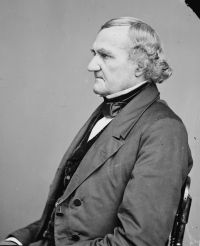
Portrait of John Catron John Catron Forsyth v. Reynolds — Opinion of the Court

As, from 1783 to 1794, no title could be made by Great Britain to lands on our side of the line, within the jurisdiction of the posts, it was for mere settlers, to a great extent, that the 2d article of the treaty provided: persons residing there usually having no other evidence of title than possession, improvements, and actual residence on the land.
Source: Wikisource

Portrait of John Catron John Catron Forsyth v. Reynolds — Opinion of the Court

A donation is a gift and gratuity, and not a grant of land founded on a consideration, as where the government is bound to make it by treaty stipulation conferring mutual benefits. Thomas Forsyth and his family were Canadian settlers and British subjects, residing on our side of the line, established by the treaty of peace of 1783; they professed allegiance to Great Britain, as all that population did at the date of Jay's treaty, in 1794, and up to July, 1796.
Source: Wikisource

Portrait of John Catron John Catron Forsyth v. Reynolds — Opinion of the Court

The second article expressly provided for these objects, and at the same time, and as matter of justice, it was declared, that all settlers and traders, within the precincts or jurisdiction of said posts shall continue to enjoy, unmolested, all their property of every kind, and shall be protected therein by the American government; that they may sell their lands and houses, or retain the property thereof at discretion; and that those who continue in the country for one year, after the date of the treaty, shall be considered as having elected to become citizens of the United States.
Source: Wikisource

Get perspective with Kwize: daily news enlightened by great literature