Summary

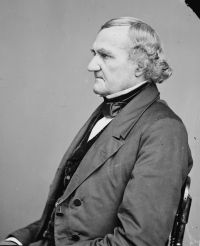
Portrait of John Catron John Catron Jodson v. Corcoran — Opinion of the Court

Here, Corcoran has drawn to his equity a legal title to the fund, which legal title Judson seeks to set aside, and asks an affirmative decree in his favor to that effect.
Now, nothing is better settled than that this cannot be done. The equities being equal, the law must prevail.
There are other objections to the case made by the appellant, growing out of negligence on his part in not presenting his assignment and claim of property to the State Department, so as to notify others of the fact.
Source: Wikisource

Portrait of John Catron John Catron Jodson v. Corcoran — Opinion of the Court

Corcoran's assignment was fair, and accepted on his part without knowledge of Judson's; nor is the contrary alleged in the bill. And assuming Judson's to be fair also, and that no negligence could be imputed to him, then the case is one where an equity was successively assigned in a chose in action to two innocent persons, whose equities are equal, according to the moral rule governing a court of chancery.
Source: Wikisource

Portrait of John Catron John Catron Jodson v. Corcoran — Opinion of the Court

From January, 1845, to June, 1847, about two years and a half, Judson held his assignment without filing any notice of its existence at the Department of State, so that others might have notice of his interest, nor did he set up any pretension until the assignee, Corcoran, had prosecuted the claim to a final award, and was adjudged by the board of commissioners to be the legal owner of the amount awarded; and as legal owner Corcoran is sued.
Source: Wikisource

Get perspective with Kwize: daily news enlightened by great literature