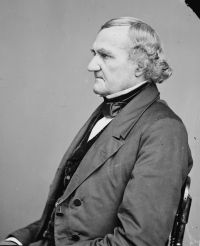
 John Catron,
Landes v. Brant — Opinion of the Court
John Catron,
Landes v. Brant — Opinion of the Court
“ He who buys an imperfect title pays a proportionate price for it. He has no right to look to his vendor to complete it. He takes it for what it is worth; no more. I admit that the same rule of relation applies to sheriff's deeds, and to others acting in a fiduciary or executive capacity, where the title to the property has passed by the sale, and the deed is a mere formal execution of the power. In some states, Maryland for instance, the deed from the sheriff is not necessary, nor is it in cases of chancery sales ”
