Summary

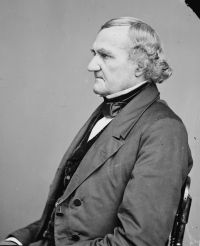
Portrait of John Catron John Catron Norris v. Crocker — Opinion of the Court

The object of the act of Congress of 1850, was evidently to give greater facilities to the master of the slave, in securing the fugitive; and can it be for a moment supposed that Congress intended to repeal the act of 1793, wipe out all liabilities incurred under that act, and deprive the master of the rights that had accrued to him, of action in suits pending, or otherwise? Most certainly not.
Source: Wikisource

Portrait of John Catron John Catron Norris v. Crocker — Opinion of the Court

Whether, if the act of 1793 is repealed as to the penalty, the repeal will bar an action that was pending at the time of the repeal.
The fugitive slave law of 1850 does not repeal the 4th section of the act of 1793 in terms; and if it is repealed, it must be by implication. As a general rule it is not open to controversy, that where a new statute covers the whole subject-matter of an old one, adds offences, and prescribes different penalties for those enumerated in the old law, that then the former statute is repealed by implication; as the provisions of both cannot stand together.
Source: Wikisource

Get perspective with Kwize: daily news enlightened by great literature