Summary

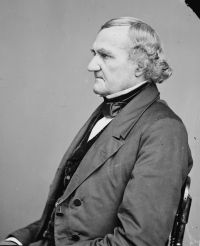
Portrait of John Catron John Catron Poorman v. Woodward — Opinion of the Court

They claimed that the court erred, insisting that a certificate of deposit is in no sense cash or money; it is simply an acknowledgment of a debt, with a promise of payment; that the transaction between Hood and Woodward & Dusenberry was simply the exchange of one form of negotiable security for another; and that this was clearly a breach of trust, and a perversion of the authority to use the note for the loan of money.
Source: Wikisource

Portrait of John Catron John Catron Poorman v. Woodward — Opinion of the Court

If Hood treated the certificate as money, so did they; and shall they now be permitted to say that they will not be bound by their agreement to receive it as money?
In passing upon the transactions of men, the law treats the subject-matter according to the usual understanding and usages prevailing where the transaction took place. In this view, the certificate of deposit is money. It is so treated and dealt with in the common business of life.
Source: Wikisource

Portrait of John Catron John Catron Poorman v. Woodward — Opinion of the Court

If a creditor receive of his debtor a demand against a third person, payable in money, as a pledge or collateral security for the debt, and the creditor receive payment of the demand in money or otherwise, and appropriate the proceeds to his own use, and there be more than sufficient to pay the debt, the debtor may recover the surplus, in an action for money had and received.
Source: Wikisource

Get perspective with Kwize: daily news enlightened by great literature