Summary

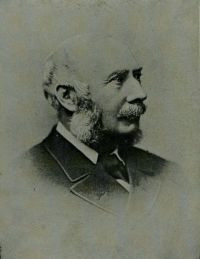
Portrait of John Cordeaux John Cordeaux Report on the Migration of Birds in the Autumn of 1879…

During seventeen years that the present principal light-keeper has been there, he does not think that more than a dozen birds have struck the glass. Altogether, few of our Scottish stations are situated in as favourable positions for observation as the lightships of the English coast. Perhaps the Bell Rock and Isle of May are the most favourable in the south, and the Pentland Skerries and some of the Orkney and Shetland stations in the north.
Source: Gutenberg

Portrait of John Cordeaux John Cordeaux Report on the Migration of Birds in the Autumn of 1879…

Almost all records of birds caught or killed, or striking at the lanterns, are noted on dark or cloudy nights, with fog, haze or rain, or snow and sleet. The isolated stations, such as the Bell Rock, are most deadly; many are stunned and killed, and blown into the sea, at such localities. Birds on such nights often remain around the lights all night or rest on the window-sills of the tower and the balconies, or endeavour to obtain entrance to the tower. Whenever dawn appears they resume their flight towards the nearest land.
Source: Gutenberg

Portrait of John Cordeaux John Cordeaux Report on the Migration of Birds in the Autumn of 1879…

Short-eared Owls arrived in some numbers at Spurn in the last week in January. A very large flock of Snow Buntings was seen on the 8th February. On the Lincolnshire side I noticed an immense flock of the same species, fresh arrivals, on the 5th; and on the 11th thousands, also hundreds of Larks. This final and third "rush" of immigrants so late in the winter is curious, and may perthaps be explained by the comparatively milder winter over Northern Europe, compared with what we have experienced in the central and southern zones of Europe.
Source: Gutenberg

Get perspective with Kwize: daily news enlightened by great literature