Summary

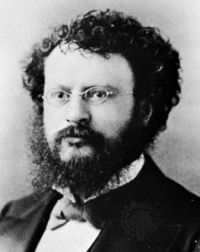
Portrait of John Fiske John Fiske The War of Independence

It was not until he had passed Philadelphia that Clinton began to surmise that he might be going down to Virginia.
When this fact at length dawned upon the British commander, he made a futile attempt at a diversion by sending Benedict Arnold to attack New London. It was as weak as the act of a drowning man who catches at a straw. Arnold's expedition, cruel and useless as it was, crowned his infamy. A sad plight for a man of his power! If he had only had more strength of character, he might now have been marching with his old friend Washington to victory.
Source: Gutenberg

Portrait of John Fiske John Fiske The War of Independence

But worse than all, if the expenses of governing America were to be paid by taxes levied upon Americans and collected from them by king or parliament or any power whatsoever residing in Great Britain, then the inhabitants of the thirteen American colonies would at once cease to be free people. A free country is one in which the government cannot take away people's money, in the shape of taxes, except for strictly public purposes and with the consent of the people themselves, as expressed by some body of representatives whom the people have chosen.
Source: Gutenberg

Portrait of John Fiske John Fiske The War of Independence

But if the power to raise American armies for the common defence, and to collect money in America for this purpose, was not to be assumed by the British government, was there any way in which unity and promptness of action in time of war could be secured? There was another way, if people could be persuaded to adopt it. The thirteen colonies might be joined together in a federal union; and the federal government, without interfering in the local affairs of any single colony, might be clothed with the power of levying taxes all over the country for purposes of common defence.
Source: Gutenberg

Get perspective with Kwize: daily news enlightened by great literature