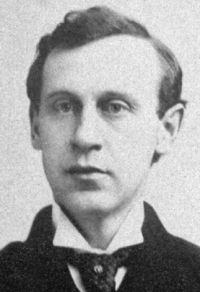
George McKinnon Wrong

George McKinnon Wrong

Summary

Portrait of George McKinnon Wrong George McKinnon Wrong Washington and His Comrades in Arms… (1920)

The British army in America furnished sharp contrasts to that of Washington. If the British jeered at the fighting quality of citizens, these retorted that the British soldier was a mere slave. There were two great stains upon the British system, the press-gang and flogging. Press-gangs might seize men abroad in the streets of a town and, unless they could prove that they were gentlemen in rank, they could be sent in the fleet to serve in the remotest corners of the earth. In both navy and army flogging outraged the dignity of manhood.
Source: Gutenberg

Portrait of George McKinnon Wrong George McKinnon Wrong Washington and His Comrades in Arms… (1920)

Could any one point to a single person who before war broke out had known British tyranny? What suffering could any one point to as the result of the tax on tea? The people of England paid a tax on tea four times heavier than that paid in America. Was not the British Parliament supreme over the whole Empire? Did not the colonies themselves admit that it had the right to control their trade overseas? And if men shirk their duty should they not come under some law of compulsion?
Source: Gutenberg

Portrait of George McKinnon Wrong George McKinnon Wrong Washington and His Comrades in Arms… (1920)

Washington, on the other hand, brooded over the mysteries of life. He pictured to himself the serenity of a calm 16 old age and always dared to look death squarely in the face. He was sensitive to human passion and he felt the wonder of nature in all her ways, her bounteous response in growth to the skill of man, the delight of improving the earth in contrast with the vain glory gained by ravaging it in war.
Source: Gutenberg

Get perspective with Kwize: daily news enlightened by great literature