Self-governance, the ability of individuals or groups to manage themselves without outside influence, includes personal independence, organizational leadership, and political sovereignty. From Plato’s focus on self-control as a foundation for liberty to John Locke’s claim that reasoned self-regulation supports political empowerment, the idea has developed through philosophical and practical viewpoints.
Writers such as Joseph McCabe humorously examined the contradiction of "self-government" as a system in which people oversee their leaders, while Carl Schurz emphasized the importance of hands-on experience in developing shared self-direction. Ralph Waldo Emerson connected it to individual moral character, arguing that real leadership arises from inner values rather than imposed restrictions. These diverse viewpoints illustrate self-governance as both a philosophical goal and a practical approach to societal and political structure.
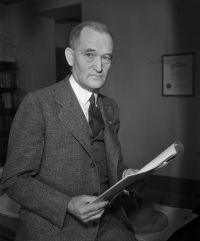 Harold Bell Wright,
Helen of the Old House
Harold Bell Wright,
Helen of the Old House