Battle of Yorktown

Definition and stakes

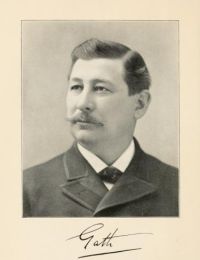
Jr. Charles E. Hatch Yorktown and the Siege of 1781

On September 27 all was in readiness for the movement of the allied armies against the British position at Yorktown and an “Order of Battle” was drawn up. At 5 o’clock in the morning of September 28 the French and American units, on instruction from Washington, their commander in chief, began to move toward Yorktown. The Continentals, followed by the French troops, formed the left column and the militia, the right. The route lay over the principal highways down the peninsula.
Source: Gutenberg

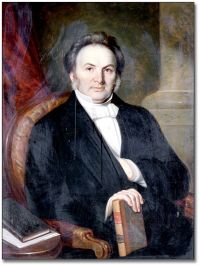
Portrait of Egerton Ryerson Egerton Ryerson The loyalists of America and their times

The general staff and other officers not left with the troops to be permitted to go to New York, or to Europe, on parole." [53]
The battle of Yorktown, and the surrender of Lord Cornwallis to the arms of the French and the Americans, may be regarded as the last battle of importance of the civil war in America. American writers and orators are fond of saying that here was brought face to face on the battle-field the strength of Old England and Young America, and the latter prevailed. No statement can be more unfounded, and no boast more groundless than this.
Source: Gutenberg

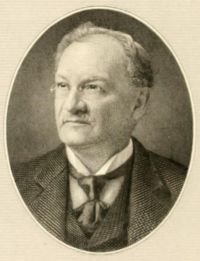
Henry Wayland Hill The Champlain tercentenary (1913)

It was tangible evidence that a great nation believed in us—believed in our future.
At the Battle of Yorktown, which was the crowning victory that assured our independence, France furnished thirty-six ships of the line—the colonies none; of the land forces engaged, France furnished 7,000 veterans—the colonies 5,500 regulars and 3,500 militia. The French fleet, under De Grasse, had previously defeated the British fleet and driven them from the Chesapeake, thereby [60] depriving Cornwallis of all hope of reinforcements from New York, and also cutting off all hope of escape.
Source: Gutenberg

Get perspective with Kwize: daily news enlightened by great literature