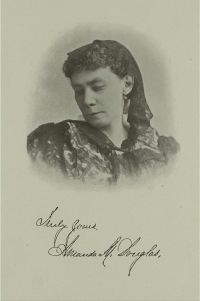
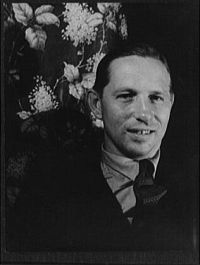
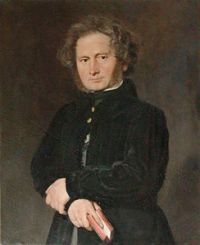
The concept of "mills" includes both tangible structures and symbolic depictions of industrial, economic, and social processes. In literature, mills often serve as central elements for examining themes such as labor, advancement, and human endurance. In Helen of the Old House, Harold Bell Wright presents mills as defining features of a manufacturing city, highlighting their significance to local identity. Amanda M.
Douglas, in Hope Mills, contrasts the decay of mills with their potential for rebirth, connecting them to economic hardship and optimism. Elisabeth G. Stryker portrays mills as catalysts for practical change, while Opie Percival Read elevates them to emblems of idealized rural beauty. These diverse portrayals demonstrate mills as complex entities—places of effort, creativity, and even lyrical contemplation—shaping stories of community and evolution.
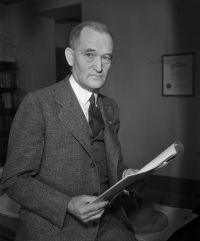 Harold Bell Wright,
Helen of the Old House
Harold Bell Wright,
Helen of the Old House