George McKinnon Wrong

Biographical details

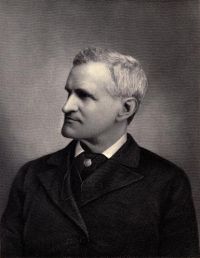
Portrait of George McKinnon Wrong George McKinnon Wrong A Canadian Manor and Its Seigneurs… (1908)

After all it is man and his activities which give to nature's scenes their deepest interest; Quebec's chief charm is due to Wolfe and Montcalm, St. Helena's to Napoleon. The shaggy mountain crests which we view from our valley, the glistening blue river, the strong north-east wind which clouds the sky, turns the river to grey, and sprinkles its surface with white caps,—all are full for us of joyous beauty. But how much less of interest would there be did the white spire of the village church not peep out above the green trees up the bay to tell of man's weakness and his hopes!
Source: Gutenberg

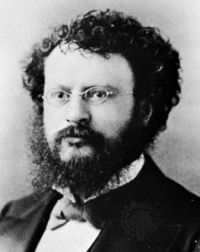
Portrait of George McKinnon Wrong George McKinnon Wrong Washington and His Comrades in Arms… (1920)

The British army in America furnished sharp contrasts to that of Washington. If the British jeered at the fighting quality of citizens, these retorted that the British soldier was a mere slave. There were two great stains upon the British system, the press-gang and flogging. Press-gangs might seize men abroad in the streets of a town and, unless they could prove that they were gentlemen in rank, they could be sent in the fleet to serve in the remotest corners of the earth. In both navy and army flogging outraged the dignity of manhood.
Source: Gutenberg

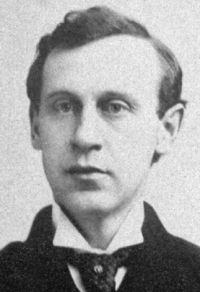
Portrait of George McKinnon Wrong George McKinnon Wrong The Conquest of New France; A Chronicle of the Colonial Wars (1919)

The priest knew the temper of his savage audience and told of the King’s warriors covered with the blood of his enemies, of the rivers of blood which flowed from their wounds, of the King’s countless prisoners, of his riches and his power, so great that all the world obeyed him. The savages gave delighted shouts at the strange ceremony, but of its real meaning they knew nothing. What they understood was that the French seemed to be good friends who brought them muskets, hatchets, cloth, and especially the loved but destructive firewater which the savage palate ever craved.
Source: Gutenberg

Get perspective with Kwize: daily news enlightened by great literature