Summary

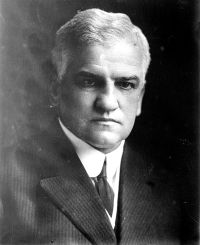
Portrait of John Hessin Clarke John Hessin Clarke Eastern Extension Australasia China Telegraph Company v…

It is obvious that no express contract by the United States to adopt and be bound by the third or any of the concessions can be made out from the findings of fact, and it is equally clear that such an implied contract, using the words in any strict sense, cannot be derived from the findings, for it is plain that there is nothing in them tending to show that any official with power, express or implied, to commit that government to such a contract ever intended to so commit it.
Source: Wikisource

Portrait of John Hessin Clarke John Hessin Clarke Eastern Extension Australasia China Telegraph Company v…

The contention of the claimant must be sustained, if at all, as a quasi contract, as an obligation imposed by law independent of intention on the part of any officials to bind the government, one which in equity and good conscience the government should discharge because of the conduct of its representatives in dealing with the subject-matter.
It is argued that the United States should be held to have assumed the burden of the concession because it derived benefits and advantages from the use of the cables.
Source: Wikisource

Portrait of John Hessin Clarke John Hessin Clarke Eastern Extension Australasia China Telegraph Company v…

The appellant, claimant, is the grantee from the government of Spain of three concessions to lay down and operate submarine cables. The first one, in 1879, was for the exclusive privilege, for 40 years, of constructing and operating a cable between the Island of Luzon and Hongkong. It was landed at Bolinao on the northerly coast of Luzon, and dispatches were transmitted to Manila and other places by government owned land lines, which were subject to interruption. This concession required that official messages be transmitted free and be given precedence.
Source: Wikisource

Get perspective with Kwize: daily news enlightened by great literature