Summary

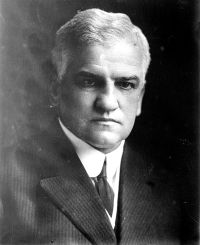
Portrait of John Hessin Clarke John Hessin Clarke United States ex rel. French v…

To contribute to this purpose, Congress made elaborate provision in the act for retaining in the service officers who had proved their capacity and fitness for command and for retiring or discharging those who, for any reason, were found to be unfit. Every step of this process is committed to military tribunals, made up of officers who, by experience and training, should be the best qualified men in the country for such a duty, but with their action all subject, as we shall see, to the supervisory control of the President of the United States.
Source: Wikisource

Portrait of John Hessin Clarke John Hessin Clarke United States ex rel. French v…

After the Final Classification Board has made a finding, if the President does not order further revision, and the officer who has demanded the Court of Inquiry is continued in class B, then the section provides that another 'board of not less than three officers shall be convened to determine whether such classification is due to his neglect, misconduct or avoidable habits. If the finding is affirmative, he shall be discharged from the Army; if negative, he shall be placed on the unlimited retired list with pay,' as provided in the section.
Source: Wikisource

Portrait of John Hessin Clarke John Hessin Clarke United States ex rel. French v…

Class A, consisting of officers who should be retained in the service, and class B, of officers who should not be retained in the service. Until otherwise finally classified, all officers shall be regarded as belonging to class A, and shall be promoted according to the provisions of this act to fill any vacanices which may occur prior to such final classification. No officer shall be finally classified in class B until he shall have been given an opportunity to appear before a court of inquiry.
Source: Wikisource

Get perspective with Kwize: daily news enlightened by great literature