Summary

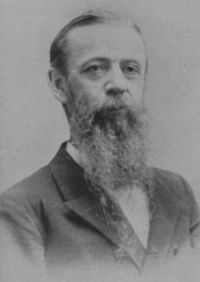
Portrait of John M. Batten John M. Batten Reminiscences of Two Years in the United States Navy

It was he who took a small boat up the Wilmington river, past the forts and batteries, landed and captured a rebel mail, staid three days in the enemy's country, and finally came away in safety with his trophies. But this last act of his stamps him as one of the most daring men in the service. To attack an iron-clad like the Albemarle, with a launch and a baker's dozen of men, would seem the height of reckless folly; but to have succeeded in such an enterprise, is to have earned a life lease of glory.
Source: Gutenberg

Portrait of John M. Batten John M. Batten Reminiscences of Two Years in the United States Navy

The torpedo boat was sunk, and about a dozen men were either drowned or captured. In the meantime, the fleet had moved up to the mouth of Roanoke river. Upon learning that Captain Cushing was on board the Valley City, Commodore Macomb ordered the riggings of the fleet to be manned, and at the general signal to give Captain Cushing three hearty good cheers; and such cheering—it made those swamps, forests and waters resound with the voices of glad-hearted men.
Source: Gutenberg

Portrait of John M. Batten John M. Batten Reminiscences of Two Years in the United States Navy

The great mailed monster that has so long excited the apprehensions of the Navy Department, and held in the Sound a force greatly in excess of that which was usually stationed there, now lies quietly at the bottom of the Roanoke river, a subject of curious contemplation and dread to the fish that frequent these waters. In the squadron every one feels a sense of relief in realizing the fact that the Albemarle is no longer afloat, or capable of doing further damage
Source: Gutenberg

Get perspective with Kwize: daily news enlightened by great literature