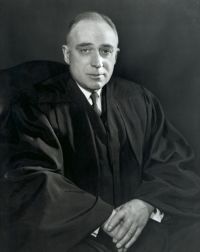
John Marshall Harlan II

John Marshall Harlan II

Summary

Portrait of John Marshall Harlan II John Marshall Harlan II Dutton v. Evans — Concurrence

Whether Williams made a 'spontaneous' statement 'against his penal interest' is the very question that should have been tested by cross-examination of Williams himself. If 'indicia of reliability' are so easy to come by, and prove so much, then it is only reasonable to ask whether the Confrontation Clause has any independent vitality at all in protecting a criminal defendant against the use of extrajudicial statements not subject to cross-examination and not exposed to a jury assessment of the declarant's demeanor at trial.
Source: Wikisource

Portrait of John Marshall Harlan II John Marshall Harlan II Dutton v. Evans — Concurrence

Thus we have a case with all the unanswered questions that the confrontation of witnesses through cross-examination is meant to aid in answering: What did the declarant say, and what did he mean, and was it the truth? If Williams had testified and been cross-examined, Evans' counsel could have fully explored these and other matters. The jury then could have evaluated the statement in the light of Williams' testimony and demeanor.
Source: Wikisource

Get perspective with Kwize: daily news enlightened by great literature