Summary

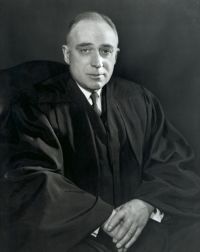
Portrait of John Marshall Harlan II John Marshall Harlan II Grosso v. United States — Opinion of the Court

It might therefore be argued that since petitioner is entitled to claim the constitutional privilege in defense of a prosecution for willful failure to pay the excise tax, he is thereby freed from liability for the occupational tax. We cannot accept such an argument. We do not hold today either that the excise tax is as such constitutionally impermissible, or that a proper claim of privilege extinguishes liability for taxation
Source: Wikisource

Portrait of John Marshall Harlan II John Marshall Harlan II Grosso v. United States — Opinion of the Court

The return is expressly designed for the use only of those engaged in the wagering business; its submission, and the replies demanded by each of its questions, evidence in the most direct fashion the fact of the taxpayer's wagering activities. Although failures to pay the excise tax and to file a return are separately punishable under 26 U.S.C. § 7203, the two obligations must be considered inseparable for purposes of measuring the hazards of self-incrimination which might stem from payment of the excise tax.
Source: Wikisource

Portrait of John Marshall Harlan II John Marshall Harlan II Grosso v. United States — Opinion of the Court

We turn first to petitioner's contention that payment of the wagering excise tax would have compelled him to incriminate himself. We have summarized in Marchetti, supra, the various state and federal penalties which have been imposed upon wagering. It is enough now to reiterate that Pennsylvania, in which petitioner allegedly accepted wagers, has adopted a comprehensive statutory system for the punishment of gambling and ancillary activities.
Source: Wikisource

Get perspective with Kwize: daily news enlightened by great literature